
How to Choose the Right Belico Hat for Your Style and Lifestyle
Choosing the right hat goes far beyond picking the first design that catches your eye. Whether you’re drawn to classic silhouettes or contemporary street-inspired pieces, understanding how different styles align with your wardrobe, daily routine, and personal aesthetic makes all the difference.
At Belico, we’ve built our collection around versatile designs that work across casual, semi-formal, and active settings. This guide walks you through the key considerations—from fabric weight and brim structure to colorway and crown height—so you can confidently select a hat that feels like a natural extension of your style.
Match Hat Style to Your Daily Activities
Your lifestyle dictates which hat construction works best. If you spend most days outdoors—commuting, running errands, or working in variable weather—look for styles with structured brims that hold their shape and offer reliable sun protection.
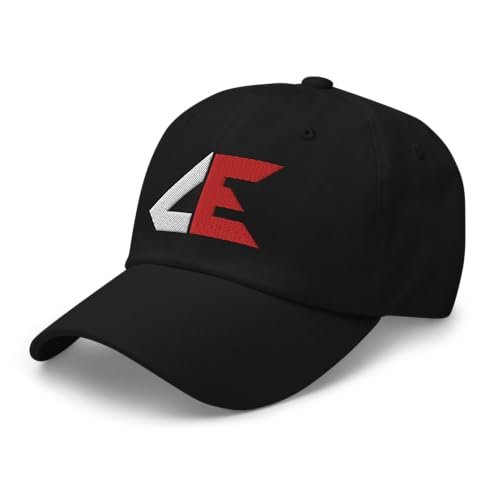
For urban environments and indoor-outdoor transitions, low-profile designs like our Sad Boyz Edition cap provide a streamlined look that fits under hoods and doesn’t overwhelm casual outfits. Active lifestyles benefit from moisture-wicking sweatbands and adjustable closures that stay secure during movement.
Consider how often you’ll need to pack or store your hat. Softer, crushable constructions travel better, while stiffer builds maintain their silhouette but require dedicated storage space.
Align Colorway and Texture with Your Wardrobe
A hat’s color and material finish should complement the tones and textures you already wear. Neutral shades—black, charcoal, tan, navy—integrate seamlessly into most wardrobes and pair well with both muted and bold clothing palettes.
If your style leans minimalist, opt for solid colorways in premium fabrics like wool blends or tight-weave cotton twill. These materials carry a refined texture that elevates simple outfits without competing for attention.
For those who favor streetwear or workwear aesthetics, look for hats with visible stitching details, distressed finishes, or contrast panels. These design cues echo the utilitarian sensibility found across men’s hats that prioritize both function and visual interest. According to historical hat design conventions, balancing proportion and finish has always been central to creating pieces that endure across changing trends.
Understand Brim Width and Crown Height for Proportion
Brim width and crown height dramatically affect how a hat frames your face and balances your overall proportions. Wider brims provide more sun coverage and create a bold silhouette, ideal if you have broader shoulders or prefer statement accessories.
Narrower brims and lower crowns suit slimmer builds and offer a subtler profile that works well in close quarters—public transit, cafes, indoor events. If you’re unsure about proportions, try styles with medium dimensions first; they’re the most forgiving across different face shapes and body types.
Crown height also influences fit comfort. Taller crowns accommodate fuller hair or offer extra ventilation, while shallow crowns sit closer to the head and feel lighter during extended wear.
Consider Seasonal Fabric Weight and Breathability
Fabric weight determines whether a hat works year-round or excels in specific seasons. Lightweight cotton canvas and linen blends breathe well in warm weather, preventing overheating during summer months.
Medium-weight wool felt and brushed cotton twill transition smoothly between spring and fall, offering just enough insulation without trapping excess heat. For winter layering, look for thicker wool constructions or lined designs that retain warmth.
Breathability matters even in cooler months if you move between heated indoor spaces and cold exteriors. Styles with unlined crowns or mesh vent panels—common across our women’s hats and unisex offerings—regulate temperature better than fully sealed constructions.
Get Your Measurements Right from the Start
Proper sizing ensures comfort and prevents headaches from overly tight fits or the constant need to adjust loose hats. Measure your head circumference with a flexible tape positioned about one finger width above your ears, wrapping around the widest part of your skull.
Most Belico styles offer adjustable closures—snapbacks, buckle straps, or elastic bands—that accommodate a range of measurements. However, starting with a baseline size close to your actual measurement reduces strain on adjustment hardware and maintains a cleaner profile.
If you’re between sizes or have a measurement that falls near a threshold, consult our Belico hat sizing guide for detailed fit notes on each model. Crown depth and interior construction vary across styles, so two hats with the same listed size may feel different depending on their design architecture.
Finding Your Signature Belico Hat
The right hat becomes an effortless part of your daily uniform—something you reach for without hesitation because it complements your lifestyle and personal aesthetic. By considering your activities, wardrobe palette, and fit preferences upfront, you avoid the trial-and-error of buying styles that never quite work.
Start with one versatile piece that covers your most frequent needs, whether that’s a classic Panter Belico hat for everyday wear or a streamlined cap for active days. Once you understand how that style fits into your routine, expanding your collection with seasonal or occasion-specific designs becomes intuitive. The goal isn’t accumulating options—it’s building a rotation of hats you genuinely wear and enjoy.
Notes
Face shape influences which brim widths and crown proportions look most balanced. Rounder faces generally pair well with taller crowns and angled brims that add vertical lines. Angular or elongated faces benefit from wider brims and softer crown shapes that add horizontal balance.
If you’re unsure, try a variety of styles in front of a mirror and notice which proportions make your face look symmetrical rather than exaggerated in one direction.
Yes, but fabric quality and finish matter more than silhouette in dressier contexts. A clean wool fedora or structured flat cap in a neutral color works across casual and business-casual environments if the material looks polished and the hat is free of distressing or graphic details.
Save heavily textured or logo-heavy styles for purely casual wear where relaxed aesthetics are expected.
Structured hats use stiff interlining or reinforced panels to maintain a defined shape, even when not being worn. They offer a crisp, uniform look and hold up well to repeated handling.
Unstructured designs rely on softer fabrics and minimal reinforcement, resulting in a relaxed, lived-in appearance that conforms more closely to your head shape. Neither is objectively better—your choice depends on whether you prefer a polished or laid-back aesthetic.
Opt for styles with slightly higher crowns and avoid brims that sit too low on your forehead, which can press frames uncomfortably against your temples. Adjustable closures let you fine-tune the fit so the hat sits above your glasses’ arms rather than competing for the same space.
Flat brims and medium-width designs generally work better than wide, downward-angled brims that interfere with your field of vision.
Comfort is non-negotiable—a hat you find uncomfortable will sit unused regardless of how good it looks. Start with a style that fits well and feels natural during movement, then refine your choice based on aesthetic preferences.
Once you know your baseline fit requirements, exploring different visual styles becomes easier because you’re only adjusting design details rather than relearning what works for your head shape.
Replace a hat when visible wear affects its structure or when sweatband buildup becomes difficult to clean. High-quality materials can last several years with regular maintenance, but daily wear accelerates fabric breakdown.
If your hat starts losing its shape, develops persistent odors despite cleaning, or shows fraying along seams and brims, it’s time for a replacement.